
 Ask Hadi
Islam & Christianity: The Path to One God
Discover where the two faiths meet—and where they differ in defining true monotheism.
At a glance
A simple starting point for understanding the differences that matter most.
Islam calls people to worship God as absolutely one, without partner, son, or division.
Christianity also speaks of one God, but commonly understands Him through the Trinity.
Islam loves and honors Jesus as the Messiah, born miraculously and sent by God. He was a prophet and servant of God, not God Himself.
Jesus is generally understood as the divine Son of God and central to salvation.
The Qur’an is God’s final, preserved revelation.
The Bible is a collection of sacred writings transmitted through different authors and generations.
Every soul is responsible for its own deeds and can return to God through faith, repentance, mercy, and obedience.
Salvation often centers on the death and resurrection of Jesus.
Direct worship of God alone, with no intermediary between the servant and the Creator.
Worship is often shaped through Jesus’ divine role, including prayer through him and sacramental traditions.
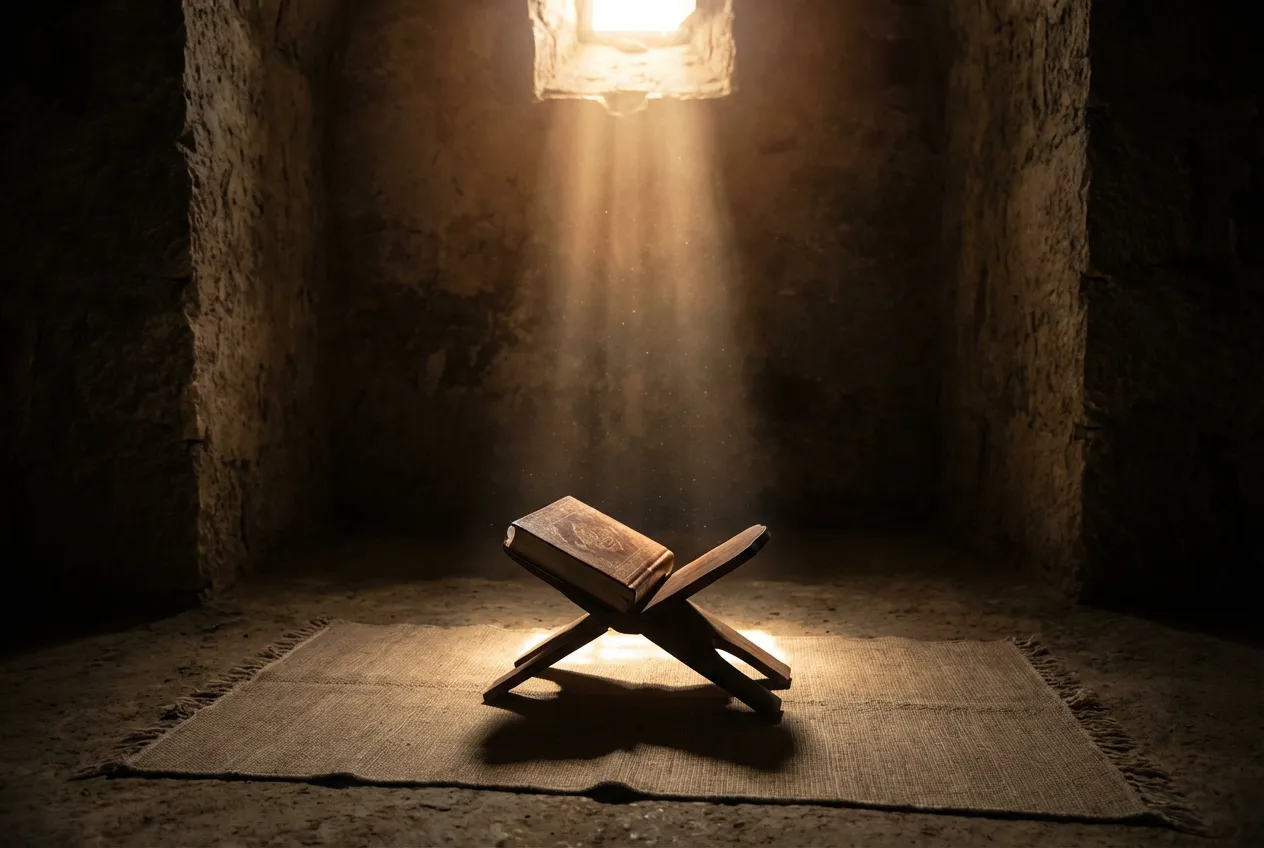
Knowing God clearly (monotheism)
Everything begins with who God is and how clearly we are able to know Him.
Everything begins with who God is and how clearly we are able to know Him.
Islam calls to knowing God in the clearest and purest way—One, eternal, unmatched, with no partner, child, or equal. He does not become human or share His divinity. This clarity strengthens faith, while the Trinity in Christianity introduces a complexity Islam does not accept. In Islam, the truth about God is simple, powerful, and brings inner peace.
“Say, He is Allah, One” — Al-Ikhlas 112:1 declares the absolute oneness of God—unique, indivisible, and without equal. It affirms that all creation comes from a single source, establishing the foundation of Tawhid in the clearest and most powerful words.
 QURAN
QURANThe Bible itself reflects God’s oneness, and early Christians held a monotheistic belief before later developments like the Trinity. Jesus affirmed this in the Shema. In Islam, Tawhid is the original message of all prophets—restoring pure monotheism.
 NEW TESTAMENT
“Hear, O Israel: The Lord our God, the Lord is one.”
Jesus in Islam and Christianity (Prophet Isa)
Understanding his role in Islam and Christianity
Jesus is deeply loved in Islam, but he is understood very differently.
Muslims honor Jesus, peace be upon him, as one of the greatest messengers of God. He was born to the Virgin Mary, performed miracles by God’s permission, and called people to worship God alone. He is the Messiah, but he is not divine, not the son of God, and not part of a trinity. He prayed, served, taught, and lived as a human messenger dependent on God. Christianity places Jesus at the center of divine salvation and commonly worships him as God incarnate. Islam protects the honor of Jesus without raising him beyond the place God gave him. In this, Islam offers both reverence and clarity: Jesus is beloved, chosen, and miraculous, yet still a servant of the One who sent him.
“The Messiah, son of Mary, was no more than a messenger. Many messengers had come and gone before him.”
مَا ٱلْمَسِيحُ ٱبْنُ مَرْيَمَ إِلَّا رَسُولٌ قَدْ خَلَتْ مِن قَبْلِهِ ٱلرُّسُلُ وَأُمُّهُ صِدِّيقَةٌ كَانَا يَأْكُلَانِ ٱلطَّعَامَ ٱنظُرْ كَيْفَ نُبَيِّنُ لَهُمُ ٱلْـَٔايَـٰتِ ثُمَّ ٱنظُرْ أَنَّىٰ يُؤْفَكُونَ٧٥
NEW TESTAMENT“Hear, O Israel: The LORD our God, the LORD is one.”

Revelation and scripture
A look at the Qur’an and the Bible—origin, message, and preservation
Preservation
Indeed, it is We who sent down the Qur’an and indeed, We will be its guardian.
إِنَّا نَحْنُ نَزَّلْنَا ٱلذِّكْرَ وَإِنَّا لَهُ لَحَـٰفِظُونَ٩
Sin, mercy, and salvation
How Islam and Christianity view sin, divine mercy, and salvation
How a faith understands sin and salvation shapes how a person approaches God.
Worship and nearness to God
True faith is not only what you believe, but how you stand before your Lord.
“And when My servants ask you concerning Me, indeed I am near. I respond to the call of the caller when he calls upon Me.”
وَإِذَا سَأَلَكَ عِبَادِى عَنِّى فَإِنِّى قَرِيبٌ أُجِيبُ دَعْوَةَ ٱلدَّاعِ إِذَا دَعَانِ فَلْيَسْتَجِيبُوا لِى وَلْيُؤْمِنُوا بِى لَعَلَّهُمْ يَرْشُدُونَ١٨٦
NEW TESTAMENT““Worship the Lord your God, and serve Him only.””
What does the heart rest in?
If the truth about God is meant to guide our lives, should it not be clear enough to understand, direct enough to worship, and consistent enough to trust with peace? Islam invites you to reflect on a faith where God, Jesus, salvation, and worship all return to one clear center: the Creator alone.